A Taste of Culture
Japanese Culinary Arts with Elizabeth Andoh
Book a Custom Program
Taste of Culture offers custom workshops for visitors and residents who wish to learn sbout Japanese home-style cooking and prepare it for themselves.
Details and Reservations
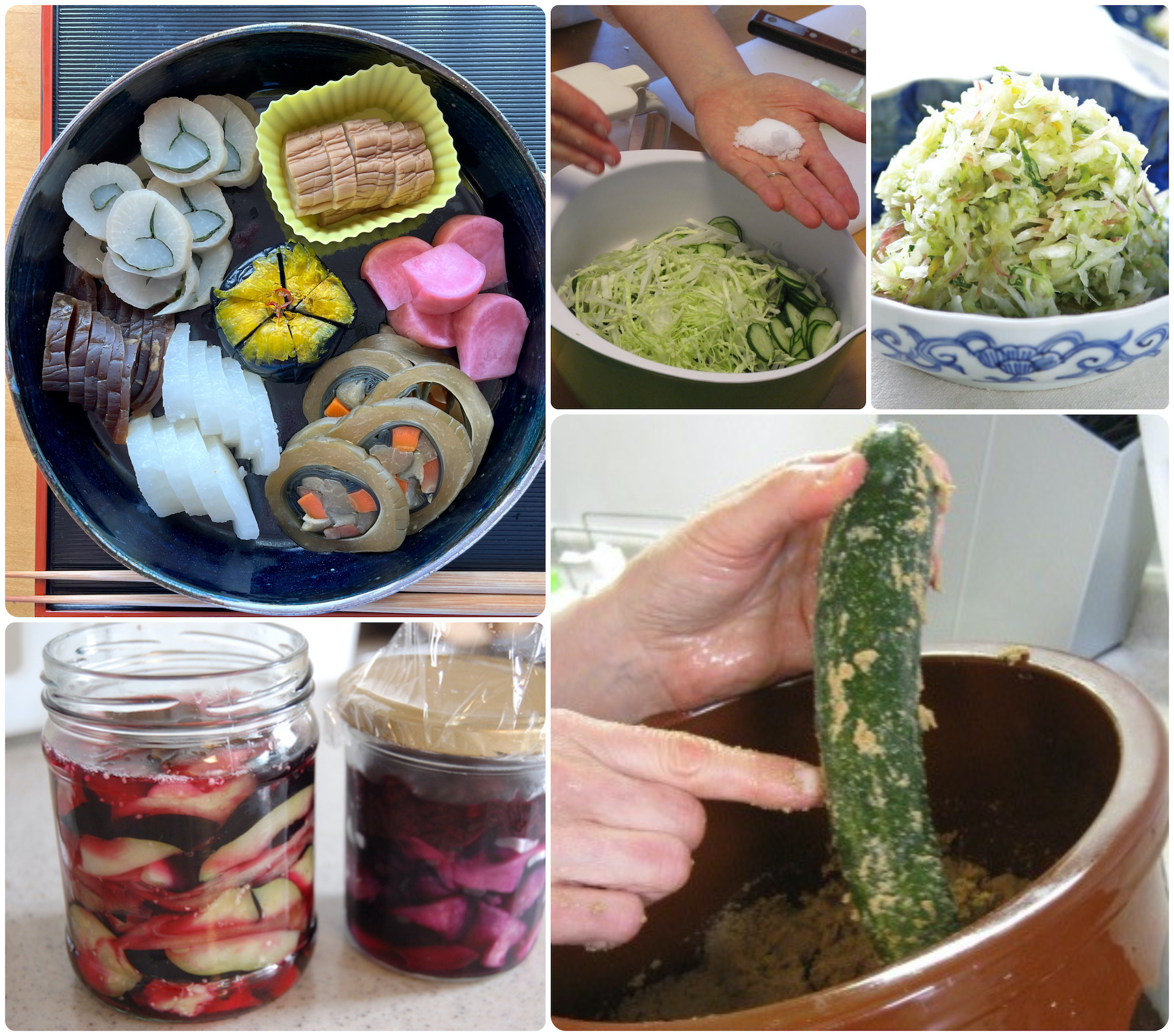
2-Session Tsukemono Workshop
November 13 (Friday) & 14 (Saturday), 2026.
Learn the secrets of Japanese pickling in this live workshop at Taste of Culture's Tokyo kitchen.
Brining, sweet vinegar-curing, saké kasu-curing, kōji-curing, miso-immersion, & komé nuka-immersion.
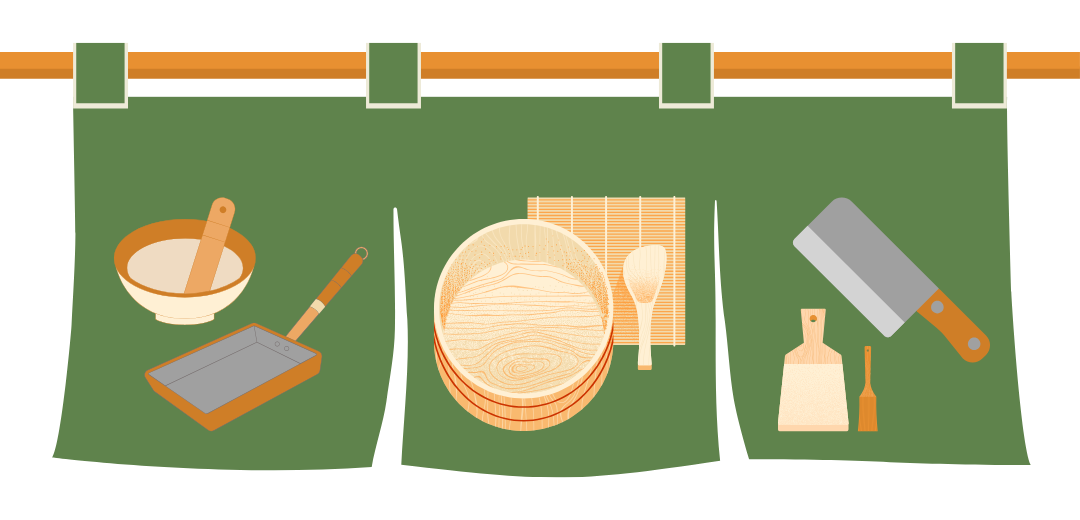
Kitchen Culture
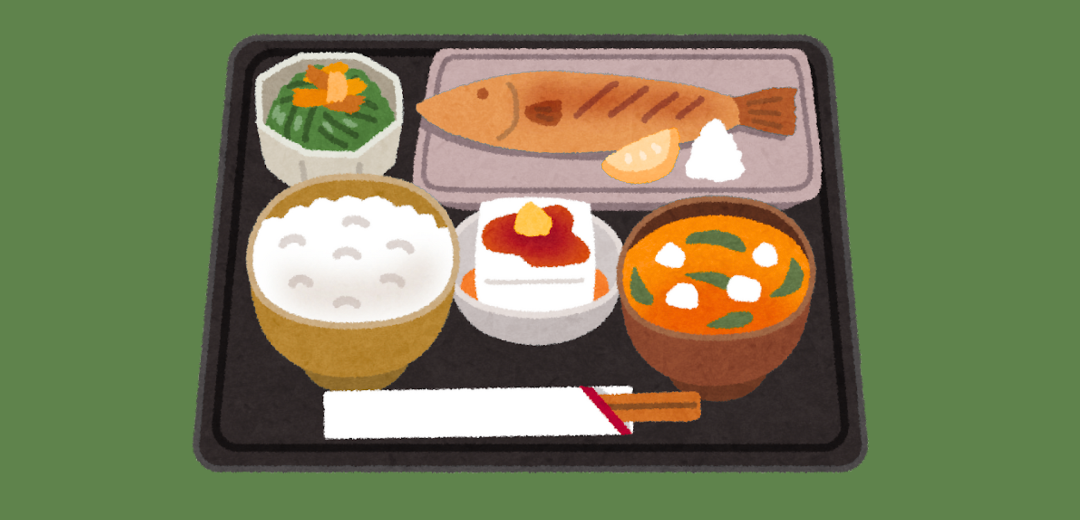
Kitchen PROJECTS
PROJECT MISO SOUP
In most Japanese households, miso soup is served every day – breakfast, lunch or dinner.
PROJECT SALMON
Salmon can be skillet-seared, steamed, broiled, grilled, braised, smoked, poached and fried.
40 Years of Food Writing
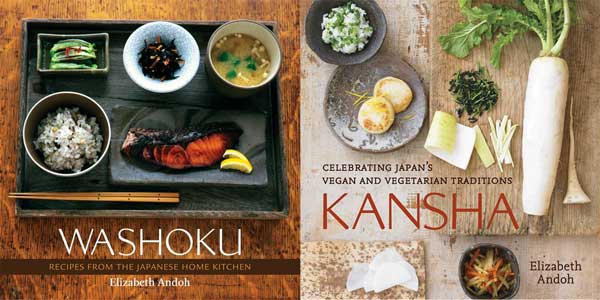
Since 1980, Elizabeth Andoh’s cookbooks have offered more than recipes; they touch on all aspects of Japanese food culture. Award-winning WASHOKU covers the fundamentals of the Japanese kitchen; KANSHA explores the vegan and vegetarian traditions.
Hungry to learn more about Japan?
A TASTE OF CULTURE culinary arts program combines spicy tidbits of food lore with practical tips and skill-building lessons on how to prepare Japanese food. In-person programs are conducted in Tokyo, Japan, and offer a unique opportunity for foreign residents and visitors from overseas to explore and enjoy Japan’s culture through its food. Instruction, by ELIZABETH ANDOH, is in English. A variety of online learning options are available for those unable to be in Tokyo.
A Taste of Culture programs empower participants in the ways of the Japanese kitchen, providing them with basic skills and knowledge regarding traditional and classic cooking methods, equipment, ingredients, menu planning and food presentation. By focusing on essential foodstuffs and procedures, program participants can recreate authentic Japanese cuisine for themselves, no matter where in the world they may be.